
Bathing Your Baby
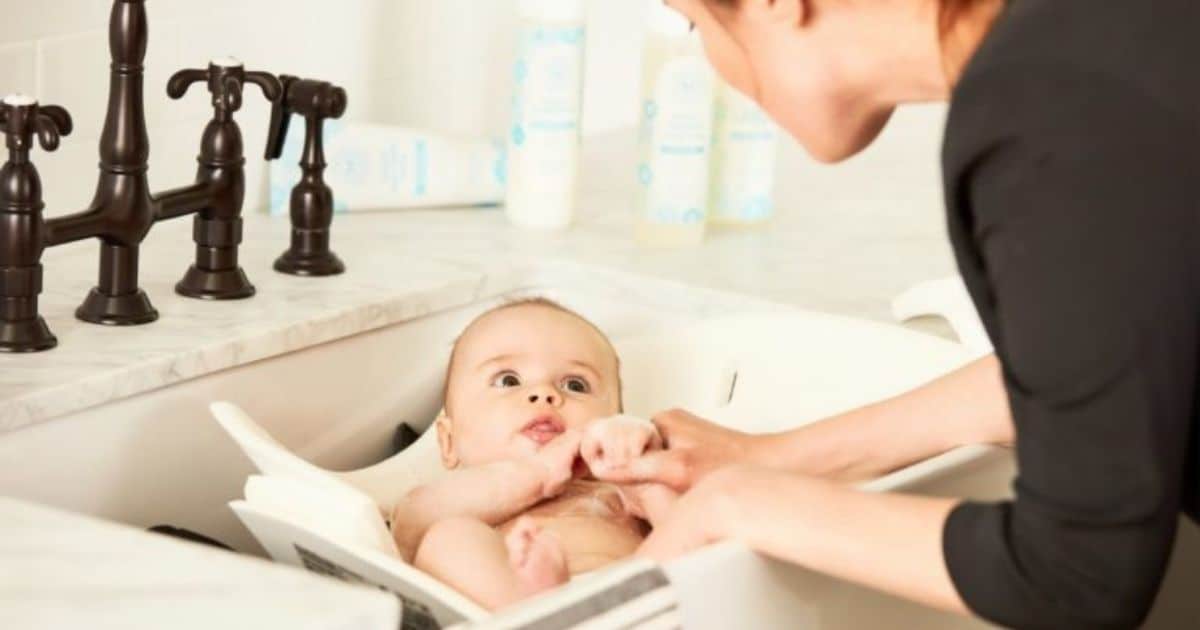
One of the most common issues that families want help with, and rightfully so, is bathing their baby. This can seem so intimidating, considering this tiny little life you have in your arms, how fragile they seem….and all the instructions the hospital gave you about keeping the umbilical cord stump dry. Let’s take a look at these instructions and break down what the essentials are for bathing your baby. After all, you can hire a postpartum doula to help you with bathing your baby-but eventually, you’re going to want to do this on your own. Don’t forget to check out what hiring a postpartum doula might look like! https://michiganfamilydoulas.com
What bath methods should you consider?
‘You can hire a postpartum doula to help with bathing your baby, but eventually you’re going to want to do this on your own’
Sponge baths, partial emersion and full emersion baths are your options for bathing your baby. Sponge baths are the easiest option for when your baby comes home from the hospital and the days or few weeks that follow, while the umbilical cord stump is still present. This will ensure that you don’t get the cord wet, per your doctor’s instructions, so that it dries well and falls off without issue. Keep in mind, that the recommendations to keep the cord completely dry with absolutely zero emersion in water -is fairly new. Even just as recent as a decade ago, this was not the recommendation and families were simply advised to wash the cord stump with alcohol swabs. The point here is that it is NOT the end of the world if you do get the cord stump wet when you’re bathing your baby. Please do not worry.
A sponge bath is just using some soapy water and a washcloth/sponge to get your baby’s bottom and/or other areas of the body clean. This might take you just a few moments and can be done by one person-or two if you feel uncomfortable doing this alone. You can do this sitting right next to the sink to wash out the washcloth or sponge. Wash your babies bottom from front to back and rinse any soap off that you might use. Then you should cover your baby with a towel to keep them warm.
Partial emersion baths are just a little bit different in that a shallow water bath is needed to make this happen. You can run a warm, shallow bath in a sink or into the baby bathtub, being sure that the water is not hot. I like to place a washcloth or a small hand towel in the sink if I am using that, or in the bathtub if that is what you choose. I wouldn’t run more than 1-2 inches of water into the sink. Place your baby in the warm water and begin to cup water over their bottom and wet the area you want to wash. Then, you can use a little soap to wash them–being mindful of the umbilical cord area. This is best done with 2 people, so that one can cup water over the baby and wash and the other can hold the baby upright. The 2nd person can hold the towel ready for after you’re finished bathing your baby so that they don’t get chilled. This really is a great way to introduce your baby to bathing, so you want to keep the experience positive and fairly quick. A low soothing voice and low stress levels are the key to helping teach your baby that bath time is a good thing. Sometimes babies pee or poop in bath water and that’s not a big deal either. Try not to panic and just rinse them off as best you can. You may look back on your first experience with bathing your baby with a great deal of humor and or fondness-either way is a win!
Full emersion baths are just what they sound like. You can run several more inches of water in the baby bathtub, fill up the sink more or even use your full-size bathtub in your home. Regardless of the method you choose, you will never want to leave your baby unattended in the water. With full emersion, this is definitely a 2-person job. One of you will need to hold the baby at all times, the other will wash the baby and then have the towel ready to go. Your biggest task is the keep the baby from catching a chill. My biggest tip for keeping the baby from getting chilled, during the whole process of bathing your baby, is to washing at the bottom of the baby and work your way up. This will ensure that if you’re washing necks or hair, that you will leave that wet area exposed for very little time. Hair washing should always come last, if baby is having their hair washed.
You don’t need to bathe your baby every day. Frankly, your baby isn’t playing in the dirt and isn’t crawling on the floor-so they probably don’t need to be bathed more than once a week or so if you’re using soap. You can, of course, always just rinse your baby off as much as you deem appropriate. The main purpose for bathing in those early days is just to get any waste off their bottoms and to get them used to bathing. They’re most likely not dirty enough for soap during those early days. You will be able to tell if they need their hair washed by smelling them. I promise, you will be able to tell if your baby is stinky and needs to be bathed. You will get to decide how often you will be bathing your baby.
My last little note about bathing your baby is that little newborns are very slippery when they’re wet. This may take some practice and it may not be perfect the first time. However, that’s ok. You will get better at it as time passes and with experience. You totally have this under control!
Supplies Needed:
Towel -preferably hooded-for covering baby with after bath
Bathtub/Sink/Baby Bathtub
Washcloth or sponge
Additional set of hands –this will most likely be a 2 person job at first
Baby soap. My note about soap is to choose wisely. Read ingredients. Don’t just choose the cheapest thing on the shelf, you will be able to tell it’s cheap by the outcome on your baby’s skin–not to mention toxic chemicals are never a good idea on skin.

Jodi Graves, M.S., CD, CBE
Jodi is a certified birth & postpartum doula and nutritionist and has been serving families of SE Michigan for over 26 years.
Jodi is the founding owner & CEO of Michigan Family Doulas, an agency dedicated to helping families thrive in their transition into parenthood. MFD has nearly 80 years of combined experience in all aspects of birth & postpartum recovery, postpartum nutrition and infant care in families of all shapes and sizes.